Showing posts with label anthracnose. Show all posts

Monday, July 23, 2012

The Rundown


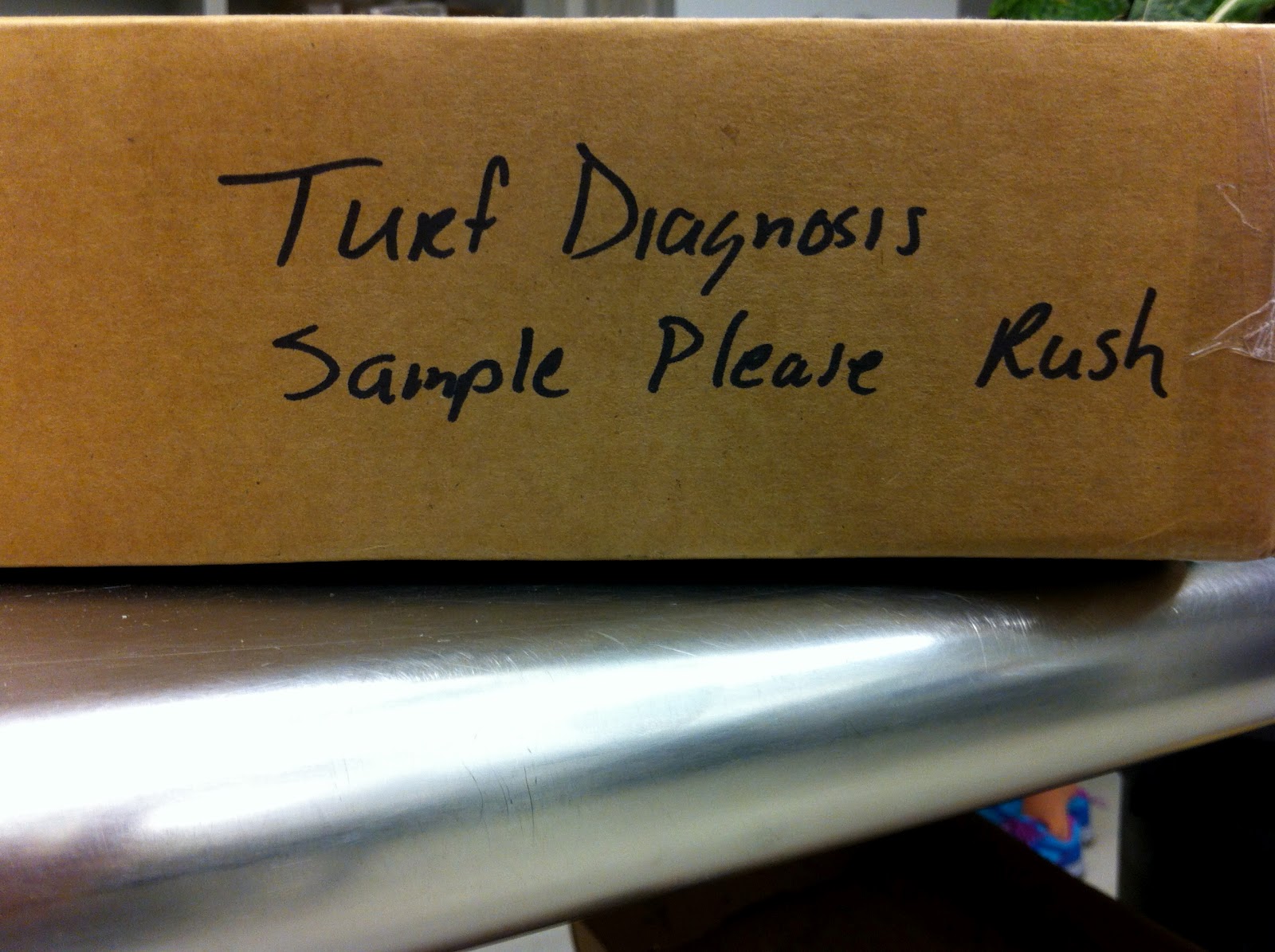
After a relatively quiet June at the NC State Turf Diagnostics Lab, turf samples have been rolling in during the month of July. Right after the record breaking heat wave experienced by North Carolina and much of the country, it seemed as if delivery trucks were backing up and dumping cardboard boxes of all shapes and sizes chocked full of ailing turfgrass samples.

One of the most common questions I get from golf course superintendents that I speak with on a weekly basis is "What are you seeing in the lab?" Well, here you go! Here's a rundown of the most common diagnoses we've made over the past two weeks.


Creeping Bentgrass Putting Greens
  1. Pythium root rot
  2. Fairy ring
  3. "Warm-weather" brown patch (Rhizoctonia zeae)
  4. Yellow spot
  5. Anthracnose

Home Lawns

Zoysiagrass
  1. Curvularia leaf spot
Bermudagrass
  1. Heat/drought stress
Tall Fescue
  1. Brown patch


Monday, July 18, 2011

Now entering the 'No DMI Zone'


Every year, we see a lot of golf course superintendents get into trouble by applying DMI fungicides to bentgrass or Poa annua putting greens during periods of hot weather. These products can cause severe damage to stressed cool-season grasses, and our general rule of thumb is that they should not be applied to putting green turf when temperatures above 90 are expected in the next two weeks. After a nice break in the weather late last week, temperatures are ramping up into the high 90's and I don't think we can count on seeing temperatures below 90 for quite some time.

There are few good reasons to apply a DMI fungicide during July and August anyway. Most of our summer diseases can be controlled very well with other chemistries that do not have these negative side-effects.

So, if you are considering an application of a DMI fungicide, ask yourself two questions: "Are my greens stressed? Are temperatures above 90 in the forecast?" If the answer to either of these questions is "Yes", then leave the DMIs on the shelf!

One exception is anthracnose; if you have Poa annua greens or older bentgrass varieties that are prone to anthracnose, a DMI application could be justified. The new-generation DMIs like metconazole, tebuconazole, and triticonazole have less injury potential on cool-season grasses and provide very good anthracnose control. Keep the rates low and tank-mix with chlorothalonil to minimize the chances for injury, thinning of the turf, and algae invasion.